Warrantied French Drain Systems in the Southeast
We offer a variety of interior drainage systems to help you keep your basement dry and clean. Our systems fit all types of foundations and floor slabs, and our experts will help you identify the best drain for your needs.
Financing Available
Our Interior Basement Drainage Solutions Will Keep Your Home Dry
Interior & Exterior French Drain Installation
We install interior and exterior French drain systems that collect groundwater and move it to a safe discharge point. Interior systems run along the basement perimeter and are often built around WaterGuard® as a clean, engineered alternative to a traditional gravel trench. Exterior French drains can be installed outside the foundation when excavation makes sense for the problem, typically for major surface water issues.
French Drain & Sump Pump Integration
For maximum effectiveness, French drains are typically paired with a sump pump so collected water has a dependable exit path. WaterGuard® routes water to a sump pit, and systems like TripleSafe® can pump it out and away from the foundation. This setup reduces standing water and helps relieve pressure that can contribute to water intrusion and wall cracking.
Basement & Crawl Space Water Redirection
French drain systems help keep basements and crawl spaces dry by intercepting water before it spreads across the floor. A perforated pipe set in clean gravel captures groundwater and directs it to a sump pit or a daylight discharge line away from the home. Optional drainage matting can be added to help water flow toward the system instead of lingering along the walls.
Professional Waterproofing Installation
French drain systems can be tied directly into a sump pump to manage water that collects around your foundation. Options like TripleSafe® provide a dedicated way to move water from the sump pit to an exterior discharge line, helping protect your basement during heavy rain and high groundwater conditions. This setup is commonly used alongside interior drainage systems like WaterGuard® for a complete water management approach.
what is a French Drain?
This might surprise you, but French drains don’t originate from France at all! In fact, the concept was designed by Henry Flagg French in Massachusetts in the mid-1800s. A French drain is not a specific item per se, but rather a name for the space between a basement wall and the concrete slab that allows water to drain outside of the home rather than pool on the floor. Unfortunately, traditional French drains clog easily and often struggle to thoroughly remove water.
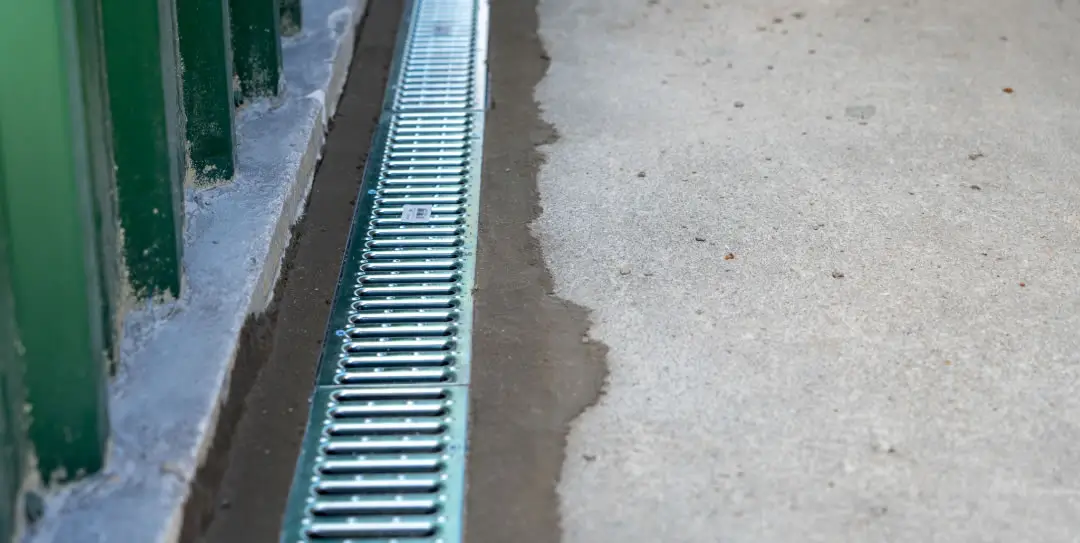
Our basement drain systems take this drainage concept to the next level by using a wall flange that allows seepage to enter the drain and collects water off the walls to easily funnel it away from your foundation. Our drain systems also prevent debris from entering the drainage area and provide a clean finished appearance on your floor.

Signs to Look Out For!
Standing Water Along Basement Walls
Standing Water Along Basement Walls
If you notice water pooling along the edges of your basement floor, it is often a sign that groundwater is collecting around the foundation. This usually happens after heavy rain or during periods of high groundwater. The water may appear where the wall meets the floor. It signals that pressure is building outside your foundation and water needs a controlled path away from your home.
Musty Odors in the Basement
Musty Odors in the Basement
A damp, musty smell often points to ongoing moisture issues. Even if you do not see active water, trapped moisture can linger along walls and floors. Over time, this creates the perfect environment for mold and mildew. The odor is often one of the first signs that water is not being properly redirected away from the foundation.
Water Seeping Through Wall or Floor Joints
Water Seeping Through Wall or Floor Joints
Water that seeps in where the wall meets the floor is a common sign of groundwater pressure. This area is a natural weak point where water can push through. You may see damp spots, staining, or slow trickling after storms. It indicates that water is building up around the foundation and needs to be captured before it enters the living space.
Basement Flooding After Heavy Rain
Basement Flooding After Heavy Rain
If your basement takes on water during strong storms, the issue is likely tied to poor drainage around the home. Rainwater and groundwater collect around the foundation and have nowhere to go. Without a drainage system in place, water will continue to find a way inside. Repeated flooding can lead to long-term damage to flooring, walls, and stored belongings.
Cracks Forming in Foundation Walls
Cracks Forming in Foundation Walls
Visible cracks in foundation walls can be a sign of ongoing pressure from saturated soil. As water builds up around the home, it increases stress against the walls. Over time, this pressure can cause cracking and allow water to enter. Addressing drainage helps relieve that pressure and protect the structure from further damage.
Which French Drain System Works Best for You?
WaterGuard® Below Floor Drain
DryTrak® Baseboard Drain Pipe
FlowGuard® Thin Floor Drain System
WaterGuard® IOS Iron Ochre Perimeter Drain
TrenchDrain™ Grated Drain Pipe
TrenchLock™ Drain Inserts
ready to fix it? LET'S GET STARTED
FRENCH DRAIN INSTALLATION PROCESS
Assessment
We begin with a detailed inspection of your basement or crawl space to determine where water is entering and how it is moving around the foundation. This includes identifying wall to floor seepage, standing water areas, and signs of pressure against the walls. We also evaluate exterior conditions that may be contributing to the issue. The goal is to understand the full scope of the moisture problem before recommending a drainage solution.
Drain Planning
Based on the inspection, we determine whether an interior or exterior French drain system is the right fit. Interior systems often use WaterGuard® installed along the basement perimeter, while exterior systems may be recommended for major surface water concerns. We map out the drainage path to ensure collected water will be directed to a sump pit or discharge line. Every plan is customized to match your home’s layout and water conditions.
Excavation
For interior systems, a trench is carefully cut along the edge of the basement floor near the foundation wall. For exterior systems, excavation takes place around the outside perimeter of the home. The trench depth and placement are designed to intercept groundwater before it spreads across the floor. This step creates the space needed to properly install the drainage components.
System Install
A perforated pipe or WaterGuard® drainage channel is installed within the trench and surrounded by clean gravel to allow water to flow freely. The system is then connected to a sump pit or daylight discharge line so collected water has a controlled exit. If part of a larger waterproofing plan, the drain may also tie into a sump pump system such as TripleSafe®. Each connection is secured to ensure long term performance.
Finishing
Once the drainage system is in place, the trench is covered and the basement floor is restored with concrete for a clean, finished appearance. Interior installations are designed to blend into the existing floor with minimal disruption. Exterior areas are backfilled and graded to support proper drainage away from the foundation. The result is a neat installation that protects your home without leaving an unfinished look.
Why Choose Cantey for French Drain Systems?


Custom Drainage Design
Every French drain system is planned around your home’s layout, water entry points, and foundation conditions to ensure targeted, long term water control.
WaterGuard® Engineered System
We install WaterGuard®, an engineered interior drainage channel designed to reduce clogging and capture water before it reaches your basement floor.
TripleSafe® Sump Pump Integration
Our French drain systems connect directly to TripleSafe® to move collected water safely away from your foundation during heavy rain and rising groundwater.
Basement Systems® Authorized Installer
As an authorized Basement Systems® installer, we use proven drainage products and trained crews to deliver dependable, warranty-backed waterproofing solutions.
Interior Drainage with Minimal Disruption
Interior French drain systems are installed along the basement perimeter, avoiding major yard excavation while still delivering effective groundwater control.
Foundation Pressure Relief
By redirecting groundwater away from the foundation, our systems help reduce wall stress, limit water intrusion, and protect basement floors and walls.
Our Customers Say it Best
Ask about our financing options
Cantey Foundation Specialists offers flexible, easy to understand financing options for homeowners. During our in-house visit, your specialist will help you find the financing options that work for YOU!
Fixed
12.99% for 120mos
6 Mos
No Payments
12 Mos
With Min Payments
Do I need a French drain inside or outside?
Will this stop my basement from flooding?
How long does installation take?
Will this work in a crawl space?
Do French drains require maintenance?
Can I install one myself?
frequently asked questions about French drains
Get a free inspection for your french drain
Get a clear diagnosis and a permanent solution tailored to your home.