


Detecting...
Detecting...

Basement Floor & Wall Crack Repair in the Southeast

Water leaking through basement walls or floors can quickly lead to serious damage. We identify the source of the problem and use the right repair solutions to stop basement leaks and protect your home.

Edit Template

We Can Repair Flooding, Leaking Cracks in Your Basement or Crawl Space

Why is My Basement Floor / Wall Cracking?

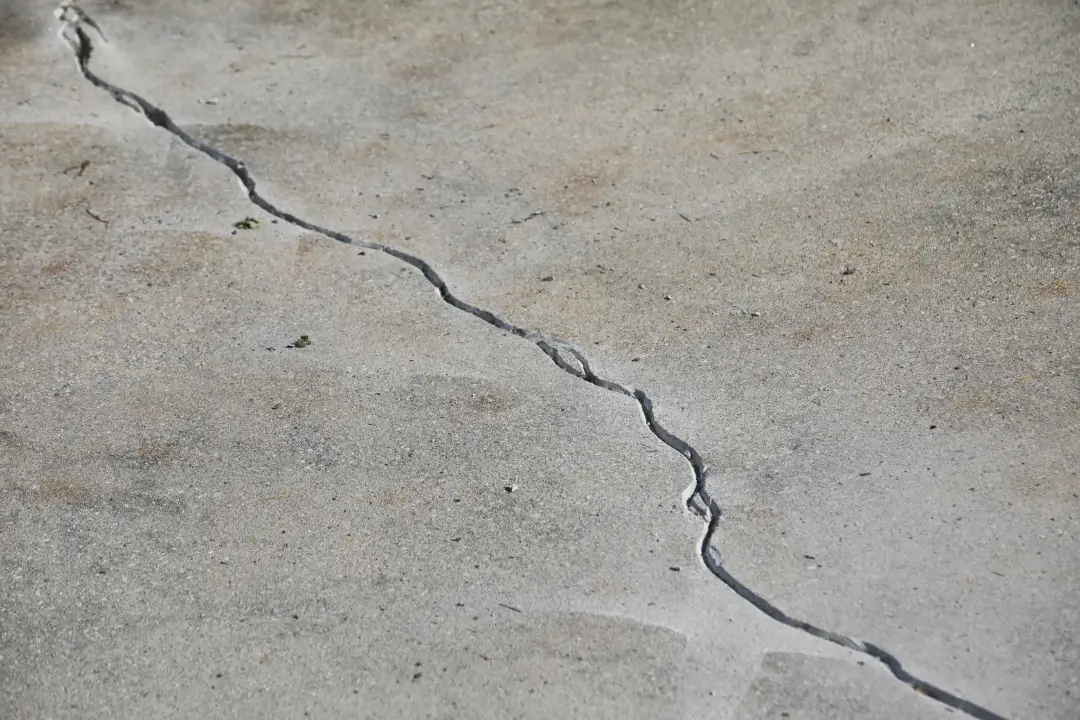
Basement floors and walls crack when the foundation shifts due to settling, expanding soil, or outside pressure against the structure. As the ground moves, stress builds in the concrete, causing vertical, horizontal, or stair-step cracks to form. Some cracks are surface-level, while others point to structural movement or allow water to enter. The underlying cause determines whether sealing is enough or structural reinforcement is needed.

Cracked Concrete
Cantey Foundation Specialists

Signs To Lookout For!

Cracked Basement Floor

Cracks in your concrete slab can develop as the soil beneath it shifts or settles. While some floor cracks are minor, others may indicate uneven support below the slab. Over time, these cracks can widen and allow moisture to rise through the floor. They can also create uneven surfaces that affect finished flooring. A professional inspection helps determine if the issue is cosmetic or tied to foundation movement.

Cracks in basement walls are one of the most common warning signs of foundation movement. Vertical cracks often point to settling, while horizontal cracks can signal strong soil pressure against the wall. Stair-step cracks in block walls typically follow mortar joints and suggest shifting or uneven support. These cracks can widen over time and may allow water to enter. Identifying the type of crack helps determine whether sealing alone is enough or structural reinforcement is needed.

A persistent musty odor in the basement often means moisture is present, even if you do not see standing water. Damp conditions can develop behind walls or along foundation cracks. Over time, this trapped moisture can affect air quality and damage stored belongings. Musty smells are often an early warning sign of water intrusion that needs attention.

Wet walls, damp floors, or condensation in the basement usually point to water entering through cracks or porous surfaces. Even small amounts of moisture can create ongoing problems if left untreated. Damp conditions can weaken materials and contribute to long-term structural concerns. Addressing the source of moisture helps protect both the foundation and the living space.

Active dripping or water stains along walls and floors indicate that water is making its way through the foundation. This often happens through cracks caused by settling or soil pressure. Continued seepage can lead to property damage and foundation deterioration. Stopping the leak requires more than surface patching and may involve reinforcement or interior drainage.

White, chalky stains on basement walls are known as efflorescence. This residue forms when water moves through concrete or block and leaves mineral deposits behind. While it may seem harmless, it confirms that moisture is passing through the wall. Efflorescence is a clear sign that water management should be addressed.

Elevated radon levels in a basement can be linked to cracks in the foundation or slab. These openings allow soil gases to enter the home. While radon is invisible and odorless, testing can reveal unsafe levels. Sealing cracks and addressing foundation gaps can help reduce pathways for radon intrusion.

ready to fix it? LET'S GET STARTED

Get a free, no-obligation inspection and a detailed repair plan from our specialists.

Address(Required)
Opt-In
or Give Us a call!
Detecting...

The Best Solution For The Problem

Our floor crack and leaky window solutions provide lasting results that are compatible with your perimeter drainage system and will not crumble, flake off your walls, or fail due to the natural expansion and shrinking of the concrete.

Basement Floor & Wall Crack Repair PROCESS

Inspection

A foundation specialist performs a detailed evaluation of the basement walls and floor to determine the source of the cracks. The inspection identifies whether the issue is structural movement, cosmetic surface cracking, or water intrusion. The condition of the walls, slab, and surrounding soil pressure is assessed. This step ensures the repair plan addresses the true cause, not just the visible damage.

01

Recommendation

Based on the findings, a targeted repair plan is developed. Structural cracks may require reinforcement systems such as wall anchors or steel braces, while minor cracks may only need flexible sealant. If water is present, an interior drainage solution may also be recommended. The goal is to provide a solution that stabilizes the structure and prevents future issues.

02

Repair & Reinforcement

Structural systems are installed to secure and support compromised walls. Wall anchors connect the foundation to stable soil outside, while steel braces are fitted along the interior wall to resist movement. These systems are adjustable and can help improve wall position over time. Non-structural cracks are sealed to block moisture and restore surface integrity.

03

Waterproofing Integration with WaterGuard®

If water intrusion is involved, a WaterGuard® drainage channel is installed along the interior perimeter of the basement. This system captures water entering through cracks or behind the wall and directs it to a sump pump. By managing water at its entry point, the system helps prevent future seepage. Structural repair and drainage work together for complete protection.

04

Clean Finish

After installation, the area is restored to a clean, professional condition. Structural components are secured neatly to minimize disruption to the basement space. Walls and floors are left ready for storage or finishing. The result is a stabilized foundation and a basement that remains functional.

05

Why Choose Cantey for Basement Crack Repairs?

Check

Permanent Structural Solutions

We use engineered systems designed to stabilize foundation walls and prevent further movement, not temporary surface patches that fail over time.

Check

Reinforcement Solutions

GeoLock and PowerBrace systems can be tightened and adjusted, helping improve wall position while maintaining long-term structural stability.

Check

Integrated Protection

We address foundation cracks and water intrusion together, using interior drainage to capture seepage and direct it safely away from your home.

Check

Clean, Professional Installation

Repairs are completed neatly with minimal disruption, leaving your basement usable for storage or future living space.

Check

Authorized Basement Systems® Dealer

Our team is certified to install patented structural repair systems backed by proven engineering and established warranty programs.

Check

Built for Long-Term Value

Stabilizing cracked or bowing walls protects your home’s structure, supports resale confidence, and helps prevent more costly repairs later.


Our Customers Say it Best

Ask about our financing options

Cantey Foundation Specialists offers flexible, easy to understand financing options for homeowners. During our in-house visit, your specialist will help you find the financing options that work for YOU!

Fixed

Rate

12.99% for 120mos

6 Mos

No Interest

No Payments

12 Mos

No Interest

With Min Payments

Edit Template

Are all cracks in my foundation dangerous?

Not every crack is structural, but no crack should be ignored. Some form from normal settling and may only require sealing. Others signal wall movement or outside soil pressure that can worsen over time. Even small cracks can allow water to enter. A professional inspection determines whether the issue is cosmetic or requires reinforcement.

In many cases, yes. Systems like Geo-Lock™ wall anchors and the PowerBrace™ system are designed to stabilize the wall and allow gradual adjustment. As the system is tightened, it can help improve wall position when conditions allow. The primary goal is to stop further movement, with straightening often possible over time.

Small, non-structural cracks can often be repaired using flexible sealants. This helps block moisture and restore the wall surface. However, if the crack is caused by shifting or bowing walls, sealing alone will not stop the movement. Structural reinforcement is necessary to stabilize the foundation and prevent the crack from returning.

If water is entering through the crack, additional measures may be recommended. A system like WaterGuard® can capture water along the interior perimeter and direct it to a sump pump. This manages seepage that passes through or behind the wall. Combining crack repair with drainage provides more complete protection.

Yes. Structural reinforcement systems are engineered for long-term performance and are backed by warranty programs. Once installed, they stabilize the wall and help prevent further movement. Unlike temporary patches, these solutions address the underlying cause. This provides lasting protection and added confidence in your home’s stability.

frequently asked questions about Basement Floor / Wall Cracks

Get a free inspection of your basement

Get a clear diagnosis and a permanent solution tailored to your home.

Trusted Alliances, Proven Excellence
Edit Template