Concrete Sidewalk Repair & Leveling in the Southeast
Cantey Foundation Specialists can raise your sinking sidewalk and prevent it from sinking further. With PolyLevel® concrete lifting, we can make your sidewalk level again in just 15 minutes!
Financing Available
Restoring your walkway with concrete leveling
PolyLevel® Concrete leveling
Sidewalk Stabilization and Void Fill
Preventative Concrete Sealing
NexusPro® Crack and Joint Repair
why concrete sidewalks sink and crack?
Walkways and sidewalks are exposed to a lot of wear and tear. When the soil supporting the concrete becomes weak, the concrete can crack and sink. There are many things that can create a void beneath the slab, such as erosion from rainwater or gutter runoff, or a tree root that has rotted over time. Dirt fill underneath the slab that has not been well compacted can also create voids beneath the concrete. Regardless of what’s caused your sidewalk to sink, we can fix it!

When to Repair Sidewalk Concrete?
Uneven or Sunken Sections
Uneven or Sunken Sections
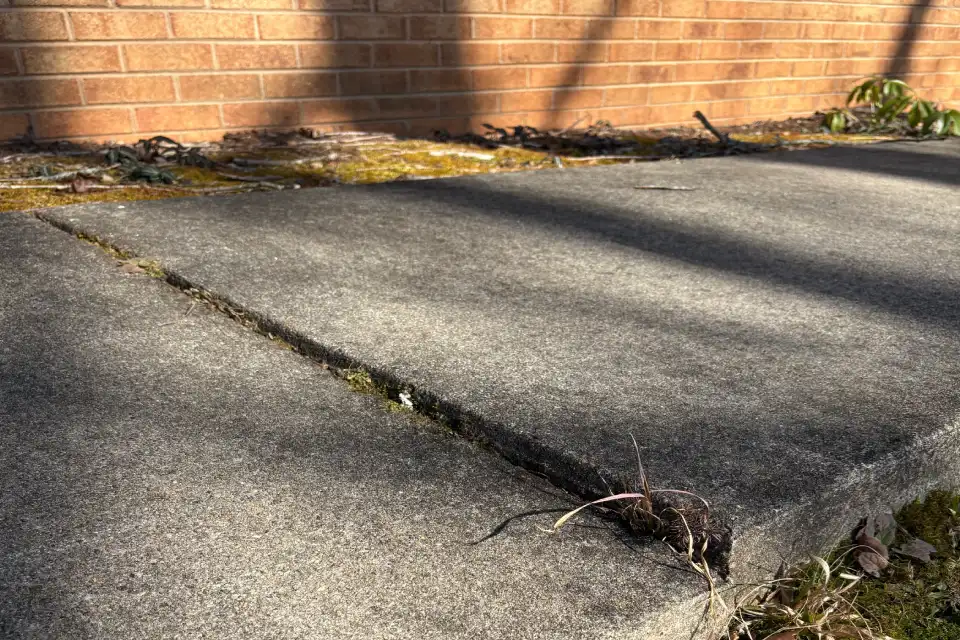
If part of your sidewalk has dropped lower than the surrounding slabs, the soil beneath it has likely shifted or washed away. This often happens due to erosion from poor drainage or heavy rain. When the support under the concrete weakens, the slab settles and creates an uneven surface. That height difference is more than cosmetic. It creates a trip hazard and signals that the underlying soil is no longer stable.
New or Widening Cracks
New or Widening Cracks
Small cracks can appear over time, but cracks that grow or spread point to movement below the slab. Freeze-thaw cycles, shrinking soil, or tree roots can all cause the concrete to shift and split. As water enters those cracks, it can make the problem worse by eroding more soil underneath. What starts as a hairline fracture can turn into larger separation and uneven concrete.
Slabs Tilted Upward
Slabs Tilted Upward
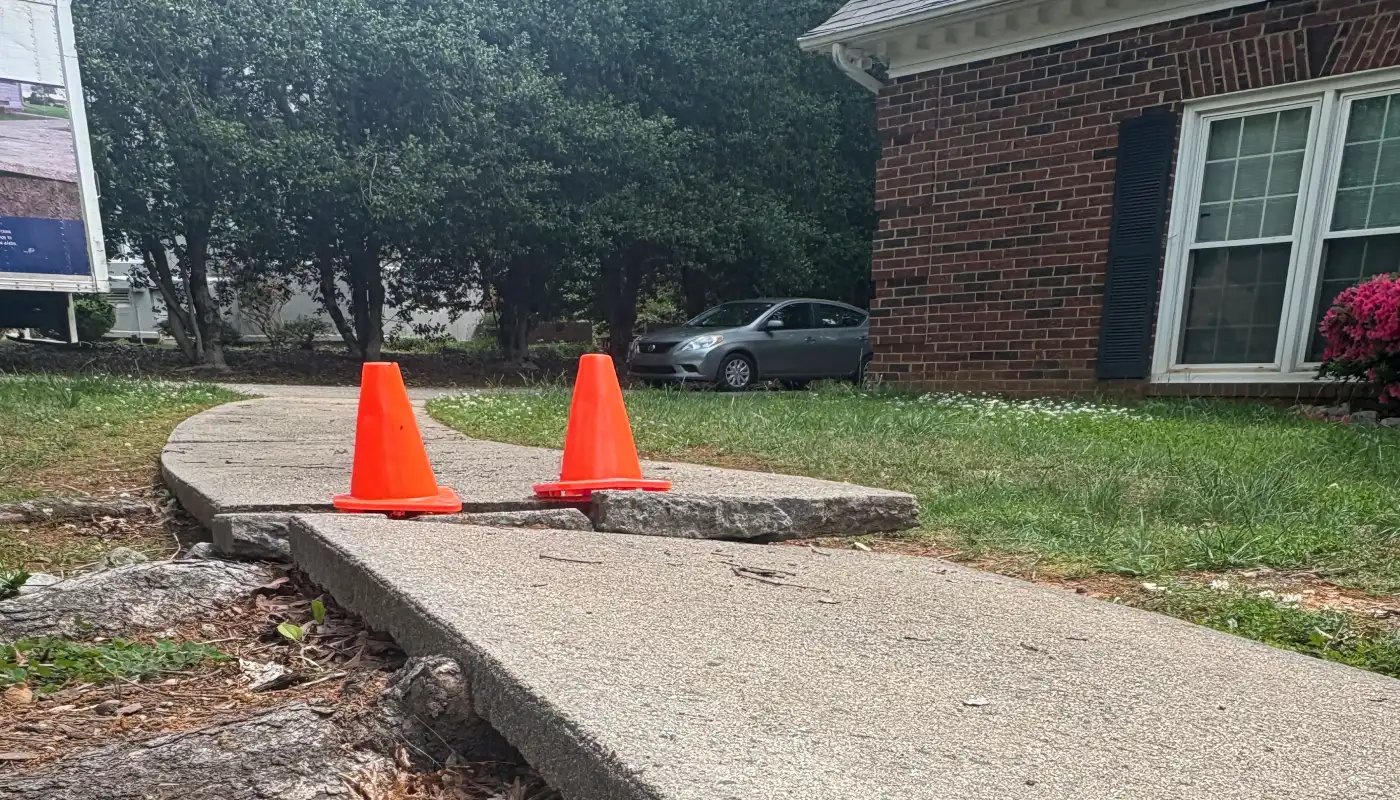
If one edge of a sidewalk slab is pushed up higher than the rest, expanding tree roots may be lifting it from below. Roots grow toward moisture and can apply steady pressure against the underside of the concrete. This upward movement often leads to cracking and visible gaps between slabs. The longer it remains unaddressed, the more uneven and hazardous the walkway becomes.
Separation Between Slabs
Separation Between Slabs
Gaps forming between sidewalk sections often signal soil shrinkage or settlement. In dry conditions, especially with clay soils, the ground can contract and lose volume. As the soil pulls away, the concrete loses support and begins to shift. Visible separation is a sign that the movement is active and may continue if the underlying issue is not addressed.
Tree Root Growth Beneath the Sidewalk
Tree Root Growth Beneath the Sidewalk
If sections of your sidewalk are lifting or cracking near trees, roots may be pushing up from underneath. As roots grow and expand in search of moisture, they apply steady pressure against the slab. This pressure can tilt the concrete, create height differences, and cause visible cracks. The movement will not stop on its own. If not addressed, the slab can become more uneven and turn into a safety hazard.
Main Causes of Sidewalk Settling and Cracking
Soil Erosion or Washout
Poor Compaction During Installation
Heavy Loads or Traffic
Age and Natural Wear
Tree Root Growth
ready to fix it? LET'S GET STARTED
The Best Solution For The Problem

PolyLevel® Foam Injection
Concrete lifting with PolyLevel® is a practical, affordable solution for concrete sidewalk repair. In addition to taking less time and costing you less, concrete leveling is far less disruptive to the landscaping. If the concrete is ripped out and repoured, the grass can be damaged from the heavy equipment and the removal of the old slab. With PolyLevel® injection lifting, there’s almost no waiting for the concrete to cure before you can walk on it. With concrete replacement, it usually takes about a day for the concrete to cure.

NexusPro® Crack & Joint Sealant
A professional-grade, UV-resistant, flexible sealant designed to fill cracks and control joints. Unlike standard sealants, NexusPro® won’t dry out, bubble, or peel over time—and it keeps water out.
OUR CONCRETE SIDEWALK REPAIR PROCESS
Inspection and Evaluation
We start by inspecting the sidewalk to identify settling, cracking, and areas of soil loss beneath the slab. This includes looking at drainage patterns, nearby trees, and any visible separation between sections. Understanding the root cause is critical before any repair begins. The goal is to correct the underlying issue, not just improve the surface appearance.
01
Prepare the Slab for Lifting
Small, strategically placed holes are drilled into the affected concrete sections. These access points allow us to reach the empty or weakened space beneath the slab. The holes are carefully positioned to ensure even lifting and proper support. This step keeps the repair controlled and minimally invasive.
Inject PolyLevel® Beneath the Concrete
PolyLevel® is injected through the drilled holes and beneath the slab. As it expands, it fills voids and stabilizes the soil below. The expanding material gently raises the concrete back toward its proper position. This restores support without removing or replacing the sidewalk.
Precision Lifting and Stabilization
As PolyLevel® expands, we monitor the slab’s movement closely. Adjustments are made in real time to ensure the concrete lifts evenly and reaches the correct height. This controlled process helps create a smooth, level walking surface. Proper stabilization reduces the risk of future settlement.
Seal and Finish the Surface
After leveling is complete, the small drill holes are sealed. Cracks and joints can also be sealed to help limit water intrusion. Keeping water out helps protect the soil beneath the slab. The result is a stable, even sidewalk that is safer and ready for use.
Why Choose Cantey for Concrete Sidewalk Repair?

Fast, Non-Disruptive Repair
PolyLevel® lifts and stabilizes your sidewalk without tearing it out, allowing for quick repairs and minimal disruption to your property.
Long-Lasting Soil Stabilization
PolyLevel® fills voids beneath the slab and strengthens the soil, helping reduce future settling and extending the life of your sidewalk.
Safer, Level Walking Surfaces
We correct uneven slabs and trip hazards, restoring a smooth, stable sidewalk that improves safety for your family and visitors.
Targeted, Precision Lifting
Our controlled injection process lifts only the affected areas, allowing for accurate leveling without unnecessary removal or replacement.
Alternative to Replacement
Concrete leveling with PolyLevel® restores your existing sidewalk, helping you avoid the higher cost and downtime of full replacement.
Addresses the Root Cause
We focus on stabilizing the soil beneath the slab, not just sealing cracks, to deliver a repair that targets the source of the problem.
Benefits of Our Sidewalk Repair Solutions
Lorem ipsum dolor sit amet
Lorem ipsum dolor sit amet
Lorem ipsum dolor sit amet
Lorem ipsum dolor sit amet
Lorem ipsum dolor sit amet
Our Customers Say it Best
Ask about our financing options
Cantey Foundation Specialists offers flexible, easy to understand financing options for homeowners. During our in-house visit, your specialist will help you find the financing options that work for YOU!
Fixed
12.99% for 120mos
6 Mos
No Payments
12 Mos
With Min Payments
Why is my sidewalk sinking in one spot?
What causes cracks to appear in my sidewalk over time?
Is it safe to leave a sunken or cracked sidewalk alone?
Can tree roots really lift a sidewalk slab?
How can I fix a sinking sidewalk without replacing it?
Will sealing cracks prevent future settling?
How do I prevent my sidewalk from settling again?
frequently asked questions about concrete sidewalk repair
Get a free inspection of your sidewalk
Get a clear diagnosis and a permanent solution tailored to your home.