Basement Flooding Solutions in the Southeast
As a basement waterproofing company, Cantey Foundation Specialists offers basement flood prevention and waterproofing solutions that will ensure that your basement stays dry.
Financing Available
Protect Your Home from Basement Water Damage
Full-Service Basement Waterproofing
Wall and Floor Crack Sealing
Dehumidifier Installation
Basement Drainage Solutions
TrenchDrain™ hatchway protection
Sump Pump Installation
Battery Backup Pump Systems
Interior Perimeter Drainage Systems
Basement Window Well Sealing
Downspouts and Water Redirection
why is my Basement Flooding?
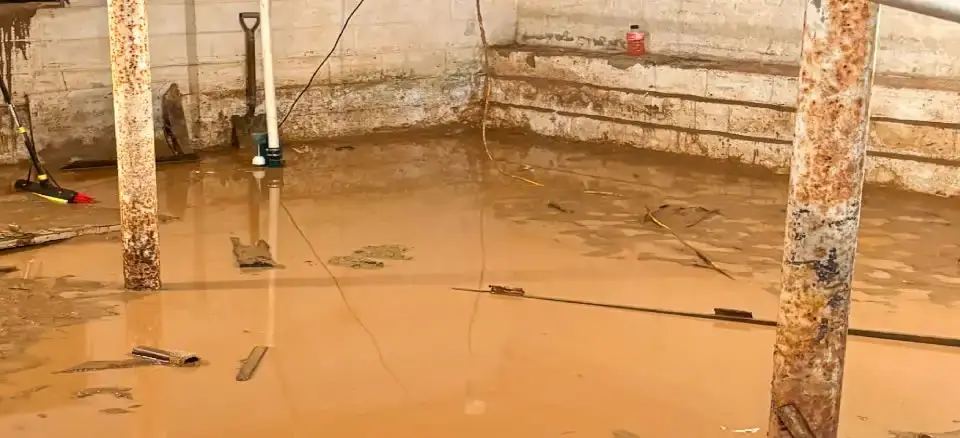
Basement flooding happens when water is pushed or directed toward your foundation and finds a way inside. Hydrostatic pressure can force groundwater through wall and floor cracks, even when rainfall is moderate. The clay bowl effect around your home naturally funnels water toward the foundation, especially in poorly graded yards or older homes. Water can also enter through leaking basement windows, hatchways, or stairwells, or from plumbing failures like burst pipes or water heaters. If a sump pump fails, loses power, or is not installed, water has nowhere to go and begins to pool. In many homes, flooding is not caused by one single issue but a combination of pressure, poor drainage, and unsealed entry points.

Signs to Lookout For!
Standing Water on the Floor
Standing Water on the Floor
If you see water collecting on your basement floor after rain or a plumbing issue, it means water is entering faster than it can drain away. This often points to groundwater pressure pushing through cracks or joints. It can also signal that your sump pump is failing or not installed. Even small amounts of pooling can lead to damage over time. Ignoring it increases the risk of ruined flooring, walls, and stored belongings.
Water Stains on Walls or Floors
Water Stains on Walls or Floors
Brown or dark streaks along basement walls or across the floor are signs that water has been present before. These stains often appear where groundwater seeps through cracks or along the wall-to-floor joint. While the area may look dry now, staining shows that moisture intrusion is ongoing. This is usually tied to drainage problems around the foundation. Left unaddressed, the issue typically gets worse with future storms.
Musty Odors and Damp Air
Musty Odors and Damp Air
A persistent musty smell means excess moisture is trapped in the basement. Even without visible flooding, high humidity and minor leaks create the perfect environment for mold and mildew. This often happens when water enters through cracks, windows, or hatchways and lingers in the air. Damp air can spread to upper levels of the home. Over time, it affects indoor air quality and comfort.
Leaking Basement Windows or Hatchways
Leaking Basement Windows or Hatchways
Water around basement windows or stairwell doors usually shows up during or after heavy rain. This indicates poor sealing, clogged drainage, or surface water flowing toward the opening. These entry points sit at or below ground level, making them vulnerable. If not properly sealed and drained, they allow rain and runoff to flow directly inside. Repeated leaks can damage framing, drywall, and flooring nearby.
Sump Pump Not Running or Constantly Running
Sump Pump Not Running or Constantly Running
If your sump pump never turns on during storms, or runs nonstop, something is wrong. A pump that does not activate may be clogged, broken, or missing entirely. A pump that runs constantly may be overwhelmed by groundwater. Either situation increases the risk of basement flooding. Without a reliable system, water has nowhere to go.
ready to fix it? LET'S GET STARTED
The Best Solution For The Problem
A proper basement waterproofing system plays a crucial role in protecting your home from water damage. Cantey Foundation Specialists offers products and solutions proven to keep the basement dry.

TripleSafe® sump pumps and airtight lids
TripleSafe® sump pump systems provide three levels of protection in one unit. A primary pump handles everyday groundwater, a secondary pump activates during heavy water flow, and a battery backup pump keeps water moving during power outages. The airtight lid helps seal out humidity and odors while reducing noise. This system protects your basement even during storms or electrical failures. TripleSafe® is designed to prevent pump overload and reduce the risk of unexpected flooding.

WaterGuard® drainage channels
WaterGuard® drainage channels are installed along the interior perimeter of the basement to capture water at the wall and floor joint. Instead of allowing groundwater to spread across the floor, the system directs it into a hidden channel beneath the surface. Water then flows to the sump pump for removal. WaterGuard® is installed inside the home, so there is no need for exterior excavation. It is a key component of a complete basement waterproofing system.

Dehumidifiers compatible with waterproofing system
SaniDry® dehumidifiers remove excess moisture from the air to help keep your basement dry and comfortable. By lowering humidity levels, they help prevent musty odors, mold, and mildew. These systems are designed to operate continuously without the need for emptying buckets. SaniDry® works alongside drainage and sump systems to improve overall moisture control. The result is cleaner air and a more usable basement space.

TrenchDrain™ systems
TrenchDrain™ systems are installed at the bottom of basement stairways and hatchways to stop surface water before it enters your home. The grated channel captures rainwater and directs it into your drainage system instead of allowing it to flow under the door. This protects one of the most common basement entry points. TrenchDrain™ works with interior drainage and sump systems to move collected water safely away from the foundation. It is a targeted solution for stairwell and exterior doorway flooding.
BASEMENT FLOODING REPAIR PROCESS
Free Inspection
A System Design Specialist inspects your basement to determine how and where water is getting in. This includes identifying wall or floor cracks, drainage issues, sump pump problems, and entry points like windows or hatchways. The inspection also considers outside factors such as grading and roof runoff. The goal is to pinpoint the real cause of the flooding, not just the visible symptoms.
01
Customized Plan
Based on the inspection findings, a waterproofing plan is created specifically for your home. This may include interior drainage, sump pump installation or replacement, crack sealing, hatchway protection, or window well solutions. Each recommendation is selected to work together as a complete system. The plan is designed to control groundwater, manage surface water, and protect against plumbing-related flooding.
02
Installation
Professional crews install the recommended drainage channels, sump systems, crack repairs, and protective components with attention to cleanliness and efficiency. Interior systems are installed from inside the basement to avoid disruptive exterior excavation. Water is redirected to a sump pump where it can be safely discharged away from the home. Most projects are completed in one to two days, depending on the scope of work.
03
Optional Add-ons
Homeowners can choose additional protection such as battery backup sump pumps, dehumidifiers, or downspout extensions. Battery backups keep water removal active during power outages. Dehumidifiers help control lingering moisture and improve air quality. Downspout adjustments move roof runoff farther away from the foundation to reduce pressure against basement walls.
04
Warranty & Support
Most waterproofing systems come with a written, transferable lifetime warranty. This provides long-term protection and adds value if you sell your home. The team remains available for follow-up service and support as needed. Ongoing reliability and peace of mind are built into the system from the start.
05
Why Choose Cantey for Basement Flooding Repair?


Customized for Your Home
Every waterproofing plan is built around your basement’s specific water entry points, drainage conditions, and foundation layout for long-term, reliable protection.
Permanent, Not Temporary Fixes
Solutions are designed to address both the source of water intrusion and the visible damage, helping prevent repeat flooding and ongoing moisture problems.
Complete System Protection
Drainage channels, sump pumps, crack sealing, and moisture control work together as one integrated system to keep your basement dry year-round.
Installed from the Inside
Most systems are installed inside the basement, avoiding disruptive exterior excavation and protecting your yard, landscaping, and driveway.
Power Outage Protection Built In
Battery backup sump systems keep water removal active during storms and electrical outages, reducing the risk of flooding when you need protection most.
Backed by a Transferable Warranty
Most systems include a written, transferable lifetime warranty, giving you long-term confidence and added value if you decide to sell your home.
Benefits of Our Basement Flooding Solutions
Prevents basement flooding during rain or pipe failures
Eliminates musty odors, mold, and mildew from excess moisture
Protects finished and unfinished basements alike
Keeps sump systems running during power outages
Improves air quality post-flooding
Diverts exterior water sources away from your foundation
Protects against costly water damage
Adds resale value and buyer confidence
Maintains a clean, dry, usable basement
Tailored solutions ensure better long-term performance
Our Customers Say it Best
Ask about our financing options
Cantey Foundation Specialists offers flexible, easy to understand financing options for homeowners. During our in-house visit, your specialist will help you find the financing options that work for YOU!
Fixed
12.99% for 120mos
6 Mos
No Payments
12 Mos
With Min Payments
Why does my basement flood even when it’s not raining heavily?
Basement flooding is not always tied to heavy rainfall. Groundwater builds up around your foundation due to hydrostatic pressure and the natural clay bowl effect, which funnels water toward your home. Even moderate moisture in the soil can be forced through cracks and joints in the walls or floor. Poor exterior drainage can make the problem worse. Over time, this pressure allows water to enter even during lighter storms.
Do I need to dig up my yard to fix it?
In most cases, no exterior excavation is required. Interior drainage systems are installed from inside the basement to capture water before it reaches the floor. This approach avoids tearing up landscaping, driveways, or patios. Water is directed to a sump pump system for removal. The result is effective protection with minimal disruption to your property.
What happens if the power goes out?
If your home loses power during a storm, a standard sump pump will stop working. That is why battery backup systems are recommended. A backup pump automatically activates during an outage to continue removing water. This added layer of protection helps prevent flooding when storms are at their worst. It keeps your basement protected even when the electrical system is down.
How long does installation take?
Most basement waterproofing projects are completed in one to two days. The exact timeline depends on the size of the basement and the systems being installed. Crews work efficiently to install drainage channels, sump systems, and sealing solutions with minimal disruption. Once complete, the system begins protecting your basement immediately.
Will this help if my windows or hatchway leak?
Yes. Basement windows and hatchways are common water entry points, especially during heavy rain. Drainage systems, sealed window wells, and protective hatchway solutions are designed to prevent surface water from flowing inside. By redirecting water and sealing vulnerable openings, these systems reduce the risk of repeat leaks. This helps protect nearby walls, flooring, and stored items.
Does this fix existing damage?
Waterproofing systems are designed to stop future water intrusion and moisture problems. Wall and floor cracks are sealed as part of the process to prevent continued seepage. While the system prevents additional damage, existing materials affected by past flooding may need separate repair or replacement. The priority is to create a dry, controlled environment moving forward.
frequently asked questions about basement flooding
Get a free inspection of your basement
Get a clear diagnosis and a permanent solution tailored to your home.